
Industry news
15
October
How does vacuum-assisted die casting improve mechanical properties?
October 15, 2026
Vacuum-assisted die casting (also called vacuum die casting or high-vacuum HPDC) is one of the most effective process upgrades for producing high-integrity aluminum and magnesium components. By actively evacuating air…

15
October
What Causes Soldering in Die Casting Molds and How Can It Be Prevented?
October 15, 2026
Soldering (also called die soldering or aluminum soldering) is one of the most common and costly surface defects in high-pressure die casting (HPDC). It occurs when molten aluminum alloy chemically…

14
October
The prototype was made in SLA or FDM, tests passed—does that mean the design is production-ready?
October 14, 2026
A working printed prototype creates a powerful illusion of completion. Many hardware teams treat successful SLA or FDM validation as the finish line, then move straight to requesting injection-mold quotes.…

14
October
Once a mold has been produced, is it possible to switch materials?
October 14, 2026
Yes—switching materials after a mold has been built is often possible, but success depends on careful engineering evaluation rather than a simple material swap. In injection molding and related manufacturing…
13
October
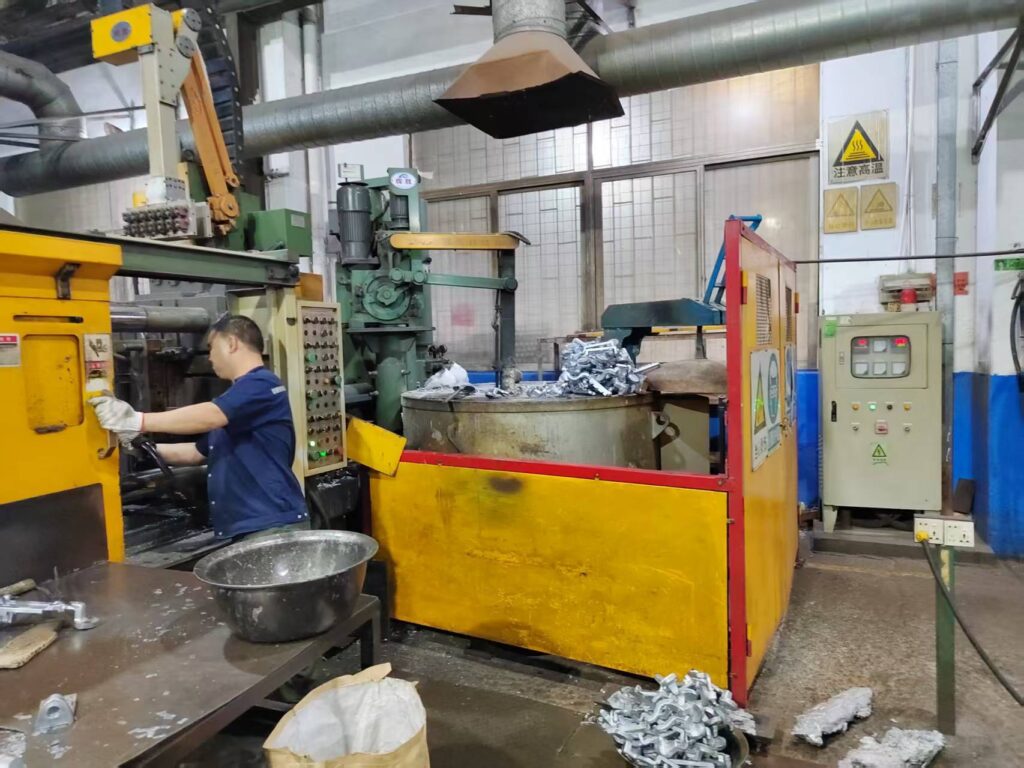
How to Design Draft Angles and Fillets to Maximize Die Casting Mold Life
October 13, 2026
Proper draft angles and fillets are two of the most effective design decisions for extending the service life of aluminum die casting molds, especially those made from H13 tool steel.…
13
October
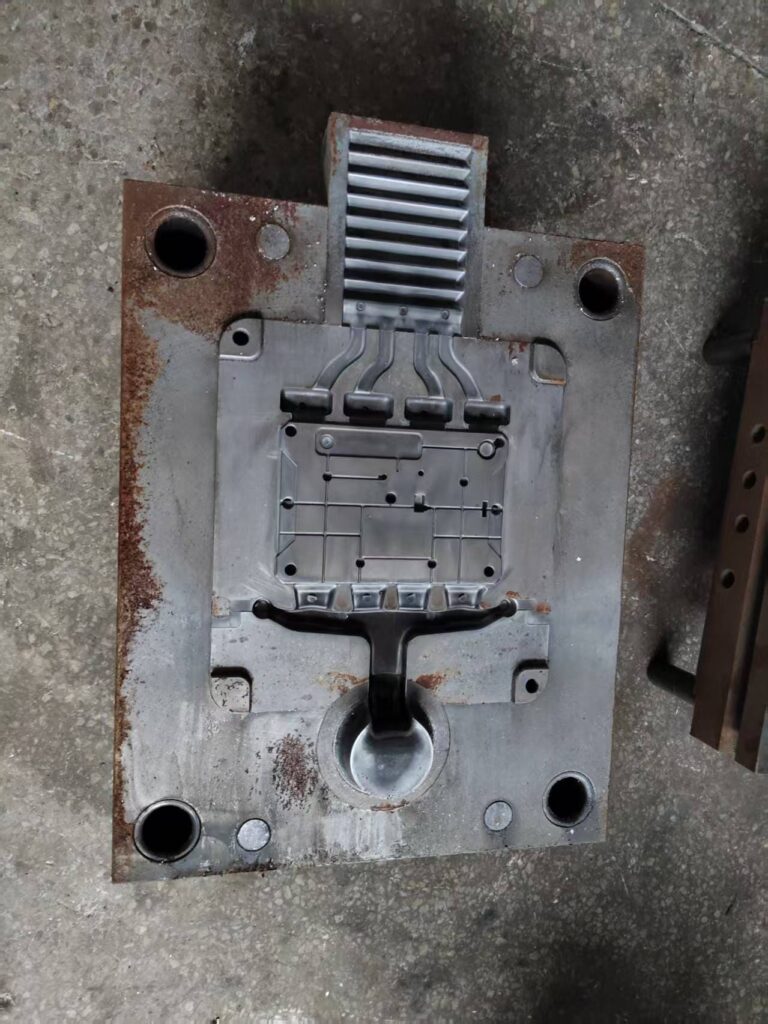
What is the typical tool life of an H13 die casting mold for aluminum alloys?
October 13, 2026
H13 tool steel remains the industry standard for high-pressure die casting molds used with aluminum alloys. Under normal production conditions, a well-designed and properly heat-treated H13 mold typically delivers 80,000…
7
October
How does die temperature control affect porosity in aluminum die casting?
October 7, 2026
Die temperature control is one of the most critical process parameters influencing porosity formation in aluminum high-pressure die casting (HPDC). Porosity—both gas porosity from air or hydrogen entrapment and shrinkage…

7
October
What post-processing methods best improve fatigue life of CNC machined components?
October 7, 2026
CNC machining delivers high dimensional accuracy, yet the resulting surface integrity often limits fatigue performance. Tool marks, elevated surface roughness (Ra), and tensile residual stresses act as crack initiation sites…

6
October
How do you select the optimal cutting parameters for titanium CNC machining?
October 6, 2026
Titanium (especially Ti-6Al-4V) has low thermal conductivity, high strength, and a tendency to work-harden and react chemically with tools. Heat stays at the cutting edge instead of leaving with the…
6
October
What is the cost impact of switching from 3-axis to 5-axis CNC machining?
October 6, 2026
Shop rates for 3-axis machines typically run $35–$130 per hour , while true 5-axis work commonly sits at $80–$250 per hour. That’s roughly 1.5–3× higher. Machine purchase prices tell a…