
Industry news
20
October
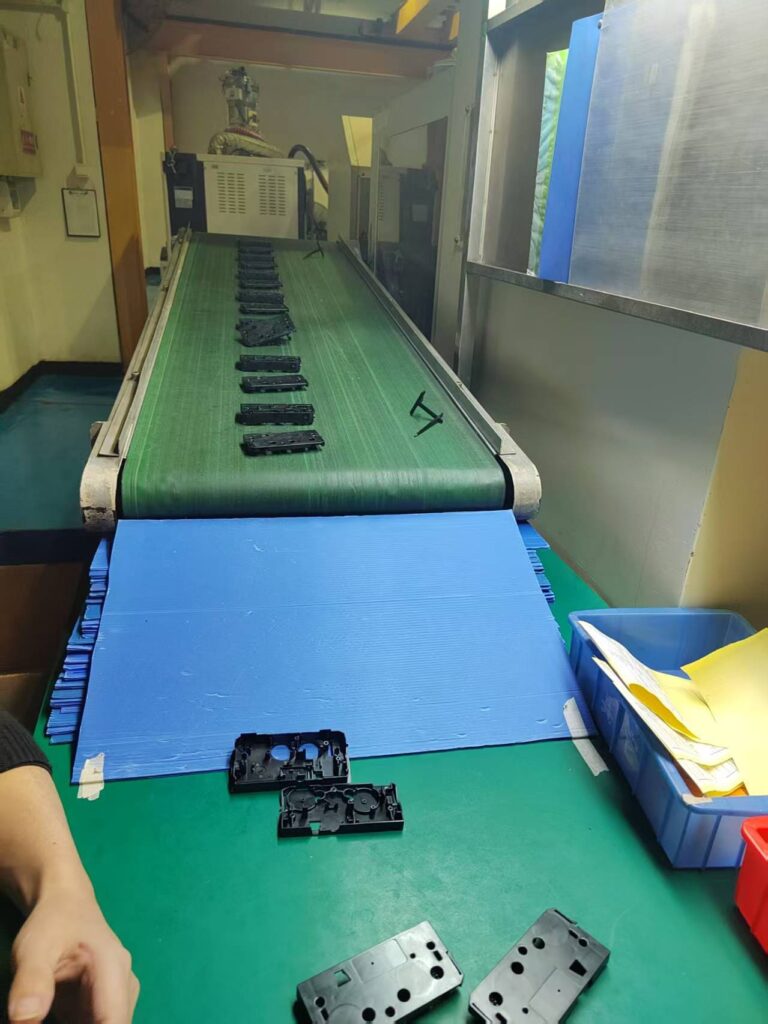
How to Calculate the Optimal Number of Cavities for High-Volume Injection Molds
October 20, 2026
In high-volume injection molding, determining the optimal number of cavities is critical to balancing productivity, cost, and mold life. A professional evaluation should comprehensively consider four key factors: 1. Total…

19
October
What Is the Relationship Between Mold Temperature and Crystallinity in Semi-Crystalline Plastics?
October 19, 2026
Mold temperature is one of the most powerful levers for controlling crystallinity in semi-crystalline plastics such as polypropylene (PP), polyethylene (PE), polyamide (PA/nylon), polyoxymethylene (POM), and polybutylene terephthalate (PBT). Crystallinity…
19
October
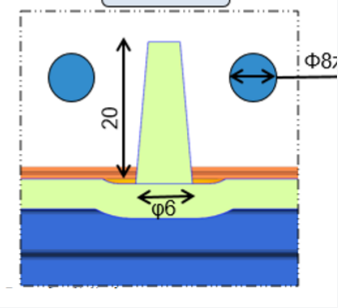
How Gate Location Affects Residual Stress and Warpage in Injection Molded Parts
October 19, 2026
Gate location is one of the most critical decisions in injection mold design. It directly controls how molten polymer fills the cavity, how pressure is distributed during packing, and how…
18
October
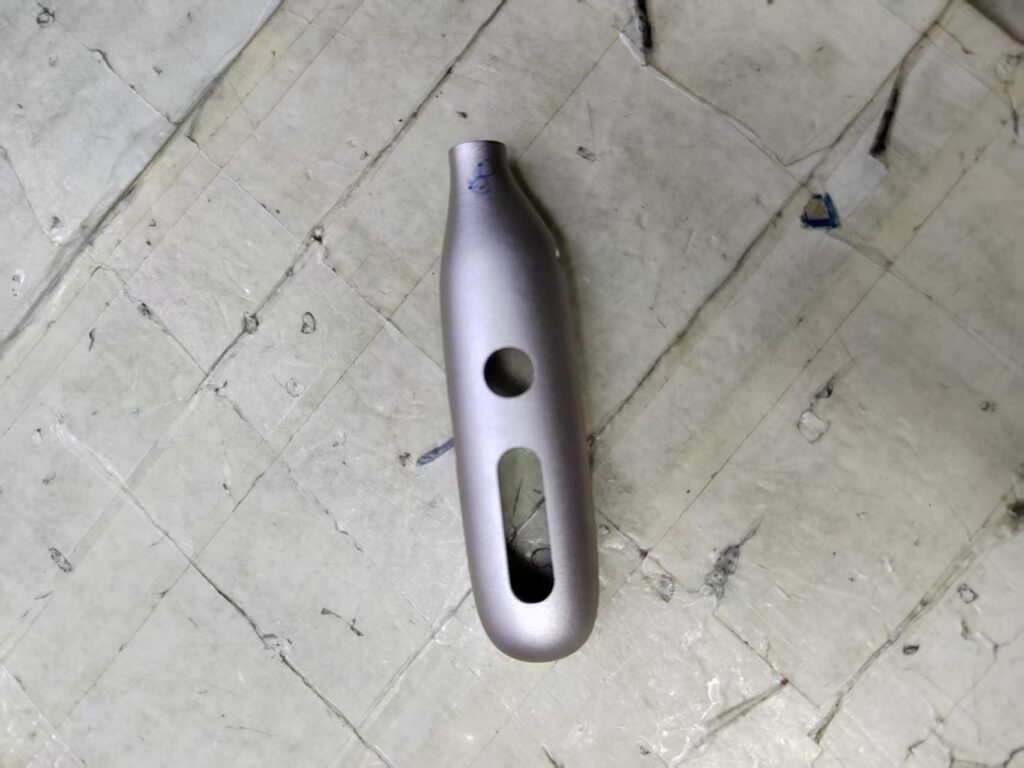
When is Multi-Cavity Tooling More Cost-Effective Than Single-Cavity in Die Casting?
October 18, 2026
In high-pressure die casting, choosing between single-cavity and multi-cavity tooling is a critical economic decision that directly impacts unit cost, production capacity, and return on investment. While single-cavity dies are…
18
October
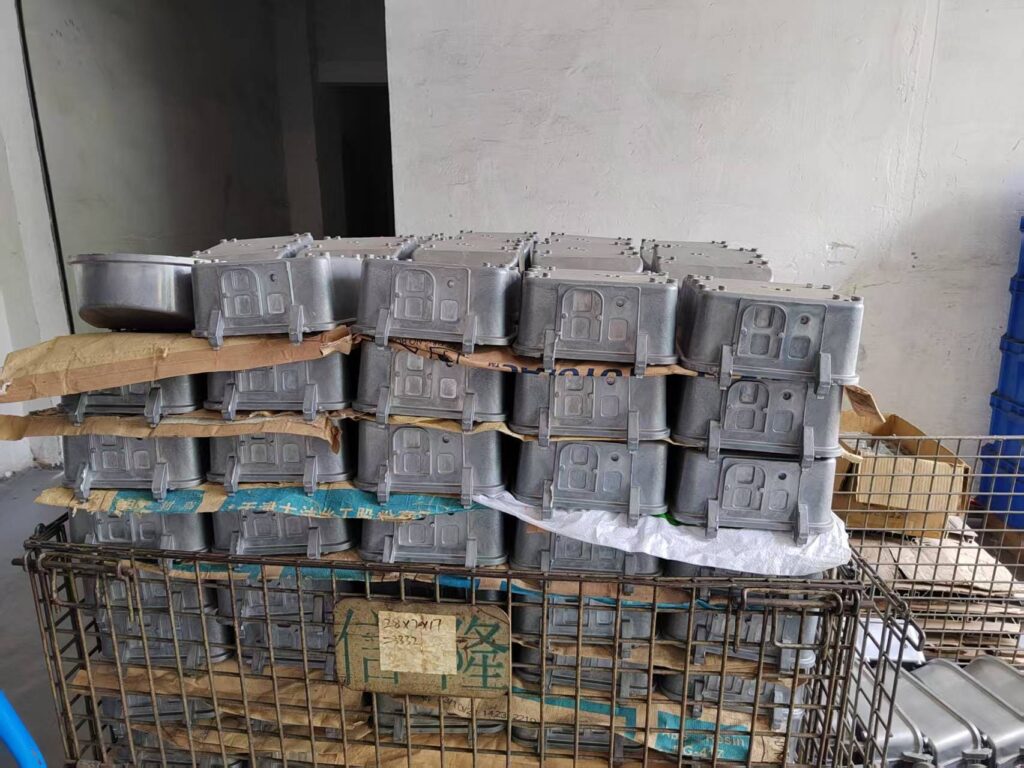
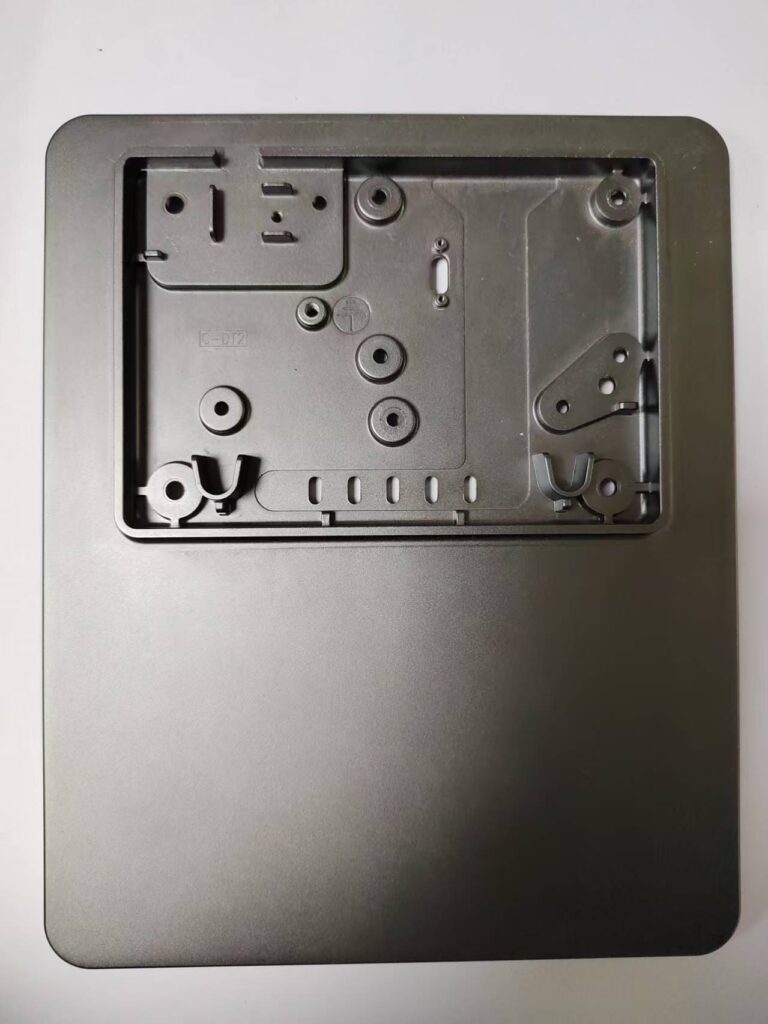
How does wall thickness variation affect shrinkage and warpage in die casting?
October 18, 2026
In high-pressure die casting, consistent wall thickness is one of the most critical design factors influencing dimensional accuracy and part quality. When wall thickness varies significantly across a component, it…
16
October
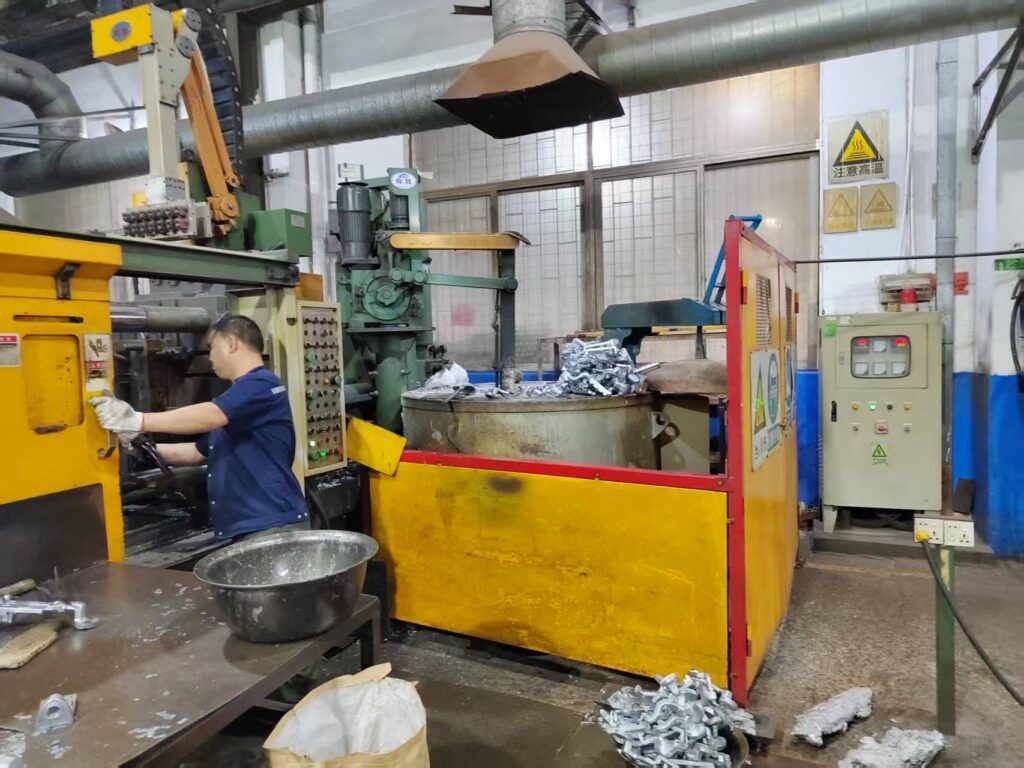
What surface treatments are most effective for improving corrosion resistance of die cast aluminum?
October 16, 2026
Die cast aluminum alloys are widely used in automotive components, electronics housings, and industrial equipment because of their excellent strength-to-weight ratio, dimensional accuracy, and cost-efficiency. However, their susceptibility to corrosion—especially…
16
October
How do gating and overflow design influence filling quality in complex die cast parts?
October 16, 2026
In high-pressure die casting (HPDC), the quality of cavity filling is largely determined long before the first shot is fired—by the design of the gating system and overflow network. For…

16
October
What is the difference in dimensional stability between zinc and aluminum die casting?
October 16, 2026
Dimensional stability is one of the most important factors when choosing between zinc and aluminum for high-pressure die casting. It directly affects how closely a part holds its designed size…
15
October
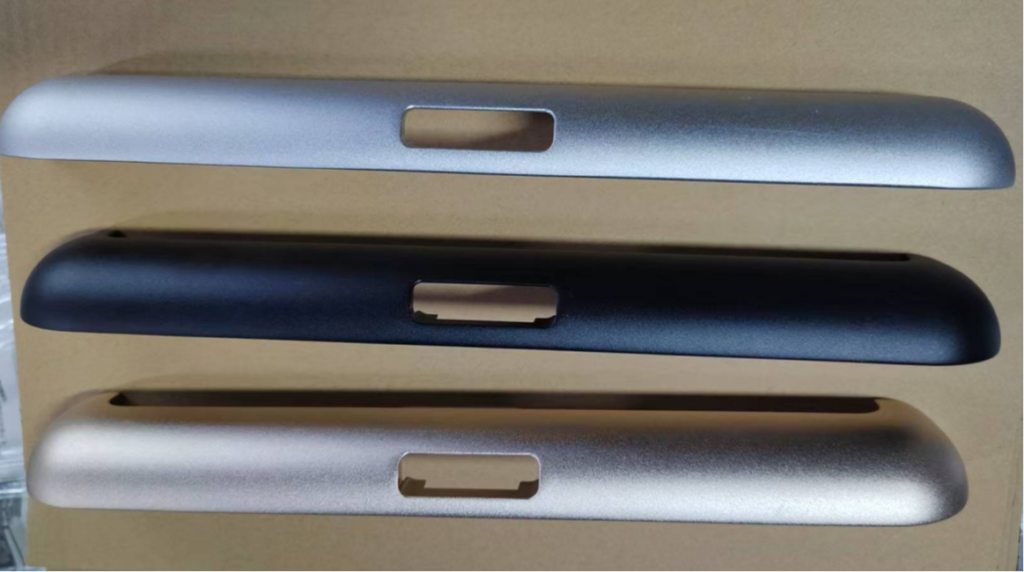
Powder coating vs anodizing for die-cast aluminum and zinc alloy parts – best surface finishes for color, durability and defect coverage
October 15, 2026
Die-cast parts such as aluminum or zinc alloy handles, side strips, frames and decorative components achieve their wide range of colors primarily through surface treatment processes. The most common and…
15
October
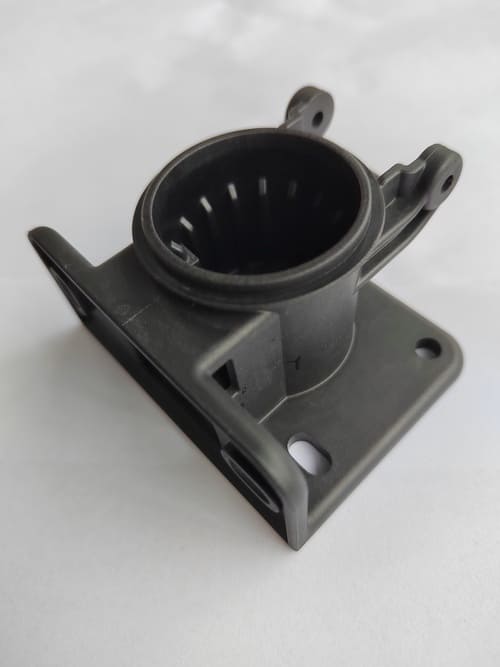
What causes sink marks in injection molded plastic parts and how can they be prevented?
October 15, 2026
Sink marks are one of the most frustrating cosmetic defects in plastic injection molding. They show up as shallow depressions on the visible surface, almost always sitting directly opposite a…